
The Line Between Hawk and Human
H is for HawkThe practical bonds of jesses, food, calls, and returns become a changing measure of attachment that can connect Helen and Mabel without erasing their difference.
increasing Bearing strength in each event
 decreasing
Bearing strength in each eventdecreasingA Childhood Anchor
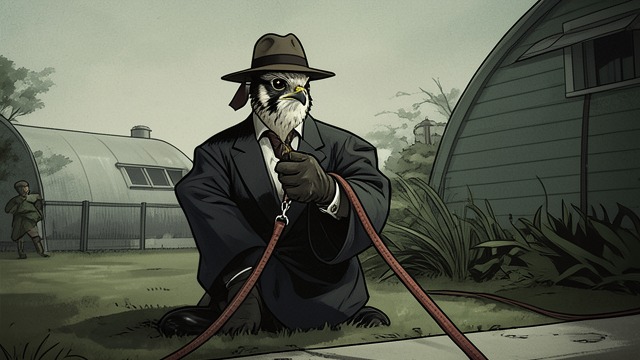
Drawing the Hawk in Place
A Kestrel on a Glove
Helen draws a kestrel with carefully rendered legs and jesses. The leash runs to a dark point on the glove, repeatedly strengthened in pencil.
Holding What May Leave
The picture seems to promise that the bird cannot fly away. Years later, Helen wonders whether the drawing expresses an old fear of separation, including the loss of her twin brother.
A childhood image gives material form to attachment before Helen can name it.
Making the Jesses
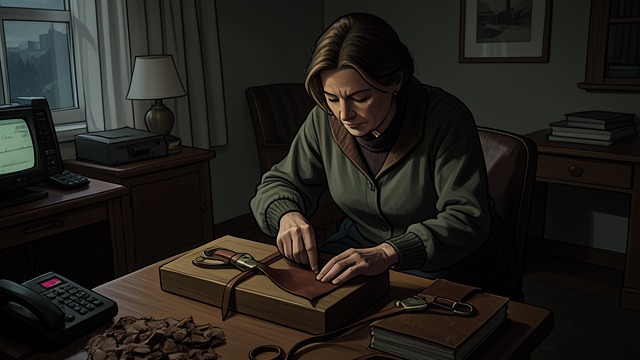
A Bond Made by Hand
Preparing the Equipment
In an unfamiliar hotel room, Helen cuts and shapes leather jesses for the goshawk she has not yet met. The work turns an abstract plan into a practical connection.
Remembering Her Father
She recalls her father’s deliberate misuse of falconry terms, realizing that he had known them and was teasing her with affection. The jesses become linked to both the hawk’s arrival and her father’s presence.
The equipment holds a bond without making either life belong to the other.
The Whistle and Return
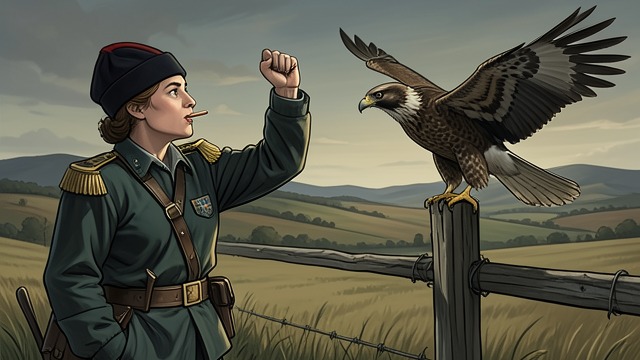
A Signal Across Space
Learning the Call
Helen raises her fist and whistles, asking Mabel to cross a short distance for food. Each return depends on the hawk recognizing the offer and choosing to land.
The Heart at a Distance
Helen feels as if part of herself sits with the hawk across the field. A successful return brings relief, while an overshoot feels like the world itself has failed.
Attachment makes the practical lesson emotionally immense.
A Return Without Certainty
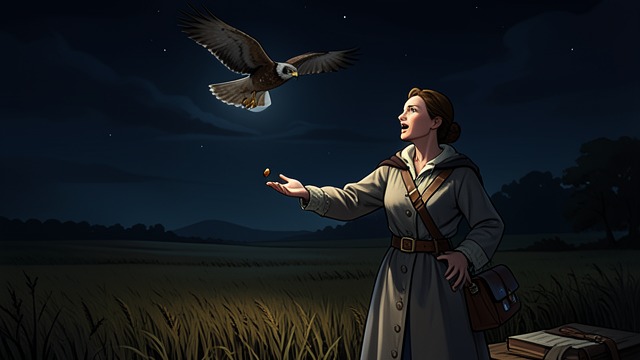
Testing the Connection
The Creance Removed
Mabel flies without the long training line and circles uncertainly in the dark. Helen calls, holds out food, and cannot physically command the hawk back.
A Chosen Landing
Mabel returns to the glove after a difficult first approach. Helen experiences the flight as a promise, but understands that no line can guarantee the hawk’s choice.
The bond gains meaning precisely because it cannot be reduced to restraint.
Letting the Line Loosen
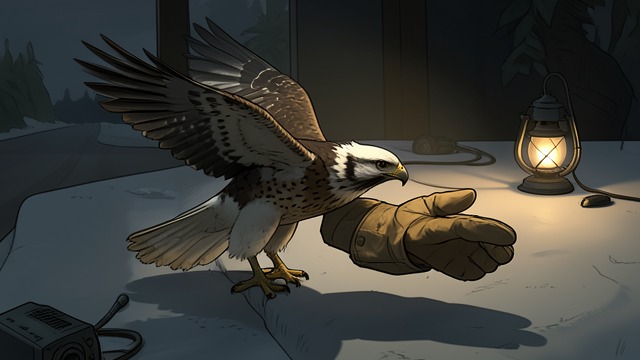
Love With Distance
A Wider Range
Helen lets Mabel pursue routes and quarry beyond her immediate reach. When the hawk ignores her call, Helen waits rather than treating the delay as proof that the bond is broken.
A Return on Different Terms
Mabel comes back when her own attention allows it. Helen’s trust grows through repeated experience, but she remains aware that the hawk is neither possession nor extension of herself.
Attachment survives by making room for autonomy.
when Helen is six years old
the night before Helen collects Mabel
during Mabel’s early calling practice
during Mabel’s first unrestrained flight
near the ending, as Mabel ranges farther over the fields
